
Overview
Seed to Feed is an AR lens we designed to tackle food insecurity through something unexpected: a virtual garden. Inspired by the meditative joy of farming games and the community spirit of urban gardens, we created an experience where users plant seeds, watch crops grow, and harvest virtual produce—all while learning about sustainable living and their power to make a difference.
Our team developed this project as part of Snap Inc.'s Lens Academy, a competitive program that selected just 15 students nationwide. Our cohort presented to Snap executives, and I had the opportunity to showcase how AR could merge education, empathy, and engagement into one immersive experience.
Project Type
AR Design
Year
2024
My Role
Project Manager | Visual Designer
Key Stakeholder
Snap Inc.
Team
Estefan Rebolledo, Xavier Ngwala
Problem
Food security isn't just a headline. It's a daily reality for millions. In the U.S. alone, nearly 50 million people live in households with low or very low food security. That's 1 in 5 children who don't know where their next nutritious meal is coming from.
But here's the thing: food insecurity feels abstract until it affects you directly. How do you make people care about an issue that seems so far removed from their daily scroll through social media?
Project Goal
Create an AR experience that makes food security feel tangible, personal, and actionable (without being preachy or overwhelming). I wanted to design something that would:
Educate users about food insecurity and sustainable living

Inspire small, meaningful actions toward growing their own food

Engage people of all ages through gamification

Empower communities to imagine a future where fresh food is accessible to everyone
Design Challenge
How might we transform learning about food insecurity into a fun, gamified AR experience that resonates across generations?

The Answer: Seed to Feed

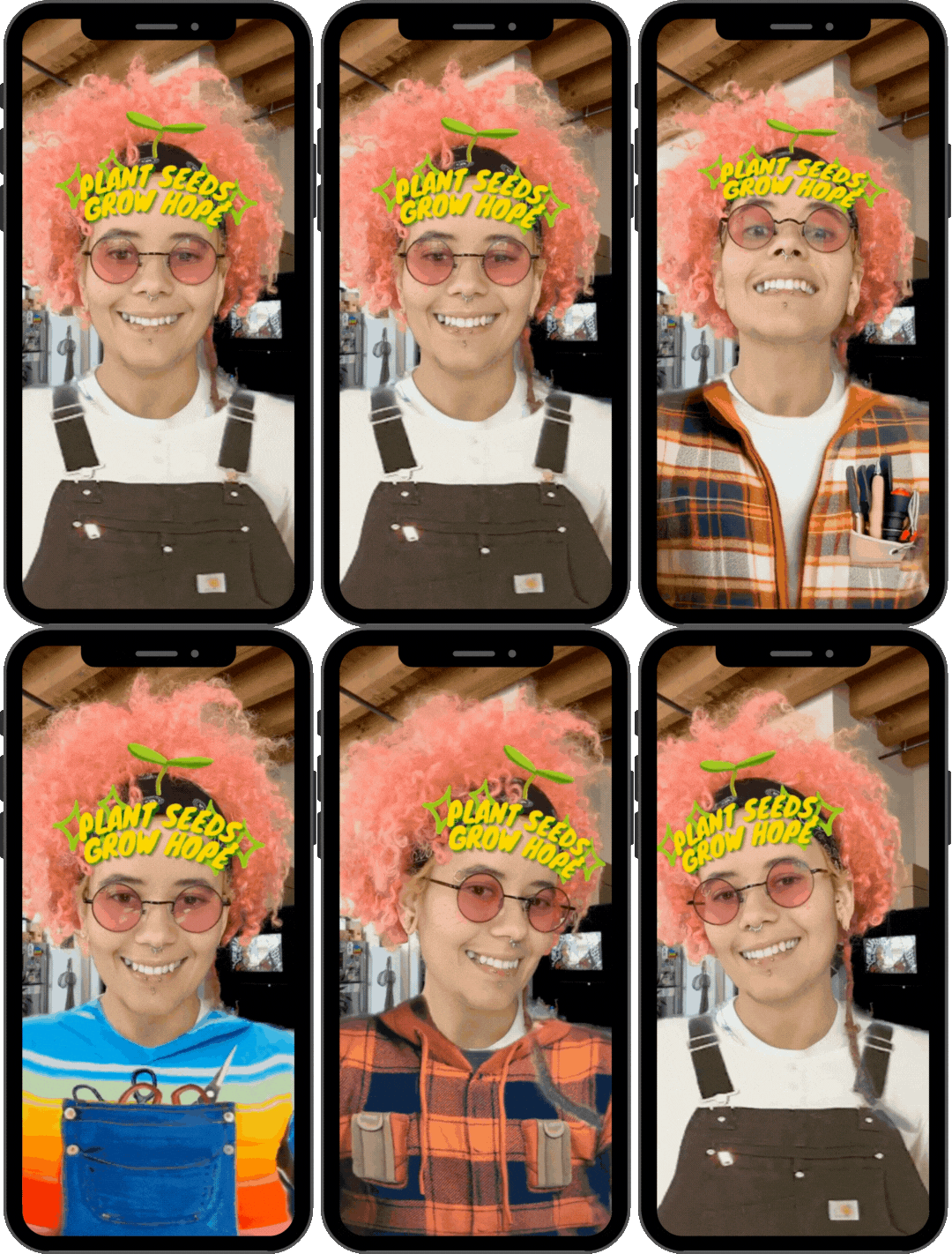

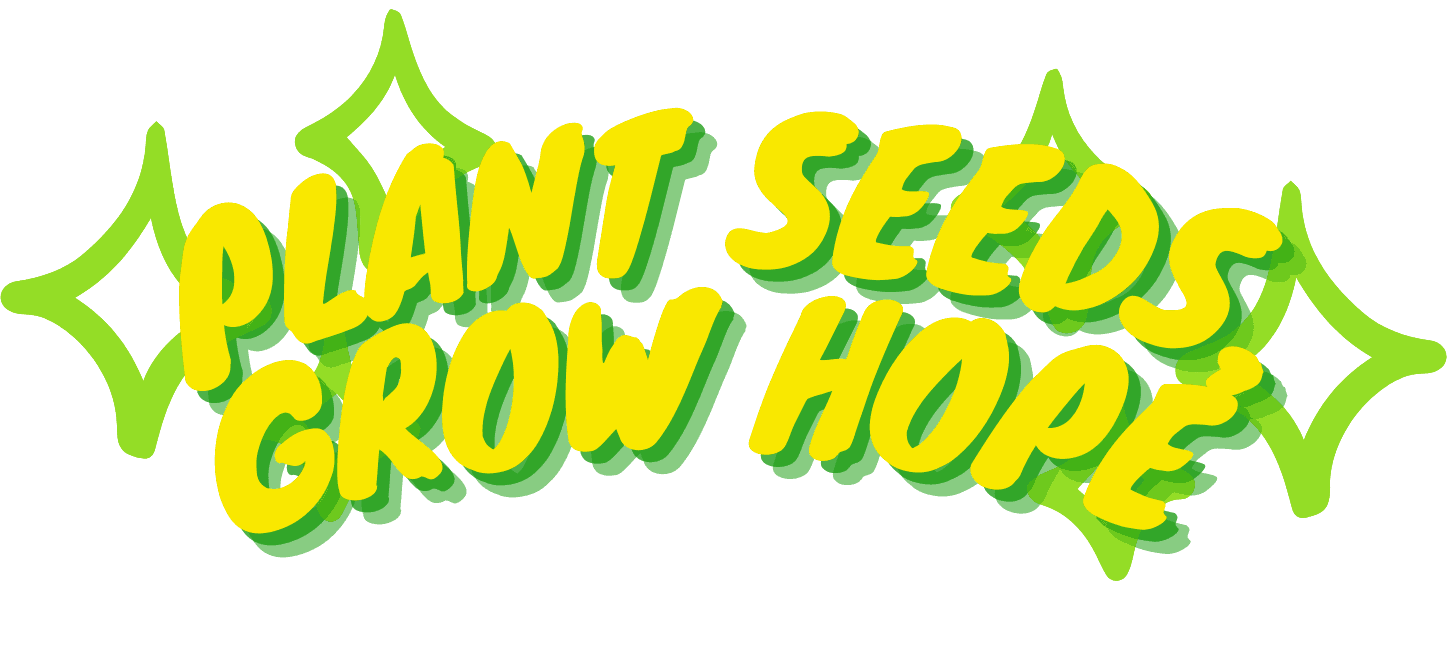
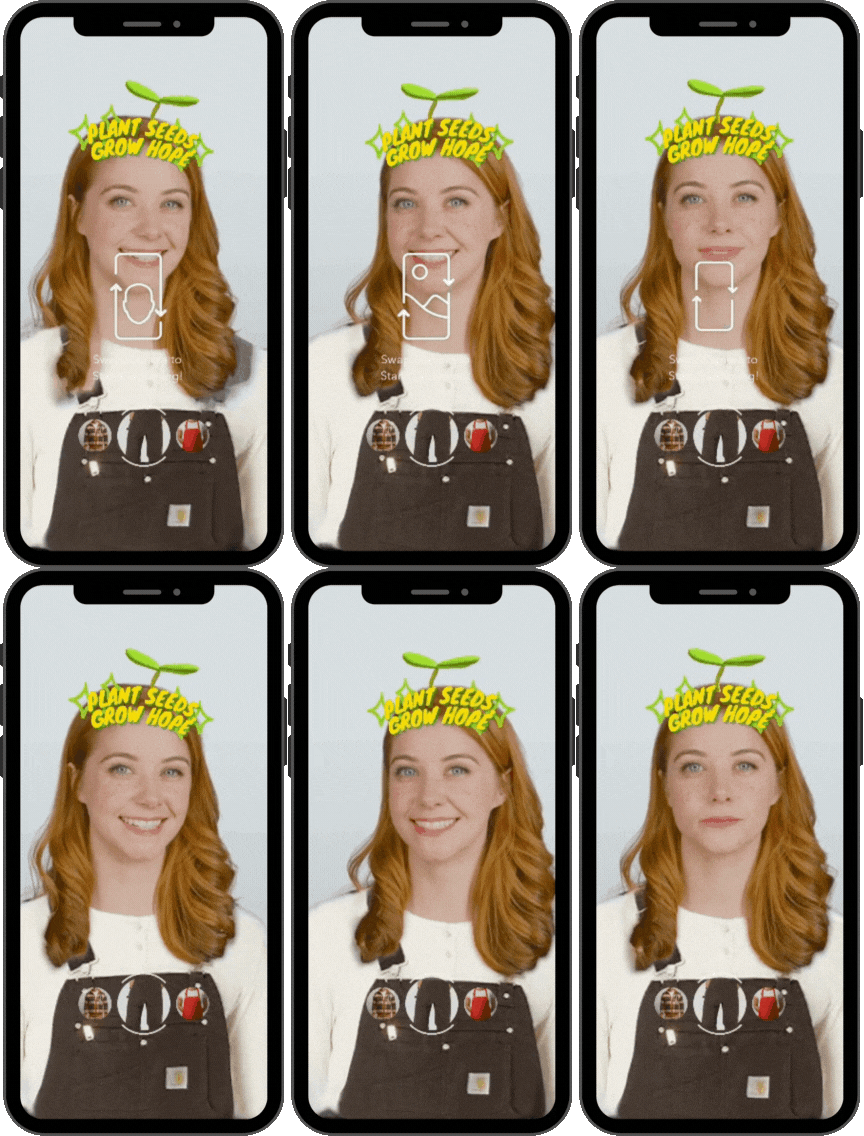
Seed to Feed invites users into a world where every seed sown leads to something meaningful, combining education with pure joy through a two-part AR experience. The front camera transforms users into adorable garden enthusiasts with freckles, sprouts blooming from their heads, and the empowering slogan "Plant Seed Grow Hope" floating above them. It's shareable, it's cute, and it makes sustainability feel personal.
The back camera is where the magic happens: users plant virtual seeds in their real environment, watch them grow through multiple stages, and harvest their crops while learning about sustainable living. It's farming simulation meets social movement. Together, these modes create a complete journey from inspiration to education.
Plant seeds, grow hope.
Secure food, secure future.
✦ . ⁺ . ✦ . ⁺ . ✦
My Process
Research & Brainstorming
I started by diving into the psychology of gamification and why farming games like Stardew Valley and Animal Crossing are so addictive. Turns out, there's something deeply satisfying about nurturing growth, even if it's virtual growth. I wanted to bottle that feeling and redirect it toward real-world impact.
I also researched community gardens and urban farming initiatives to understand what motivates people to start growing food. The common thread was that people need to see it's possible, accessible, and rewarding.
Who’s this Lens for?
I designed this lens for curious minds and hopeful hearts, such as:
Families who want to teach kids about where food comes from
Sustainability enthusiasts looking for their next eco-friendly adventure
People living in food deserts who need inspiration (and a roadmap) to start growing their own produce
Anyone who's ever felt overwhelmed by big problems and wondered, "What can I actually do?"
Moodboard Creation
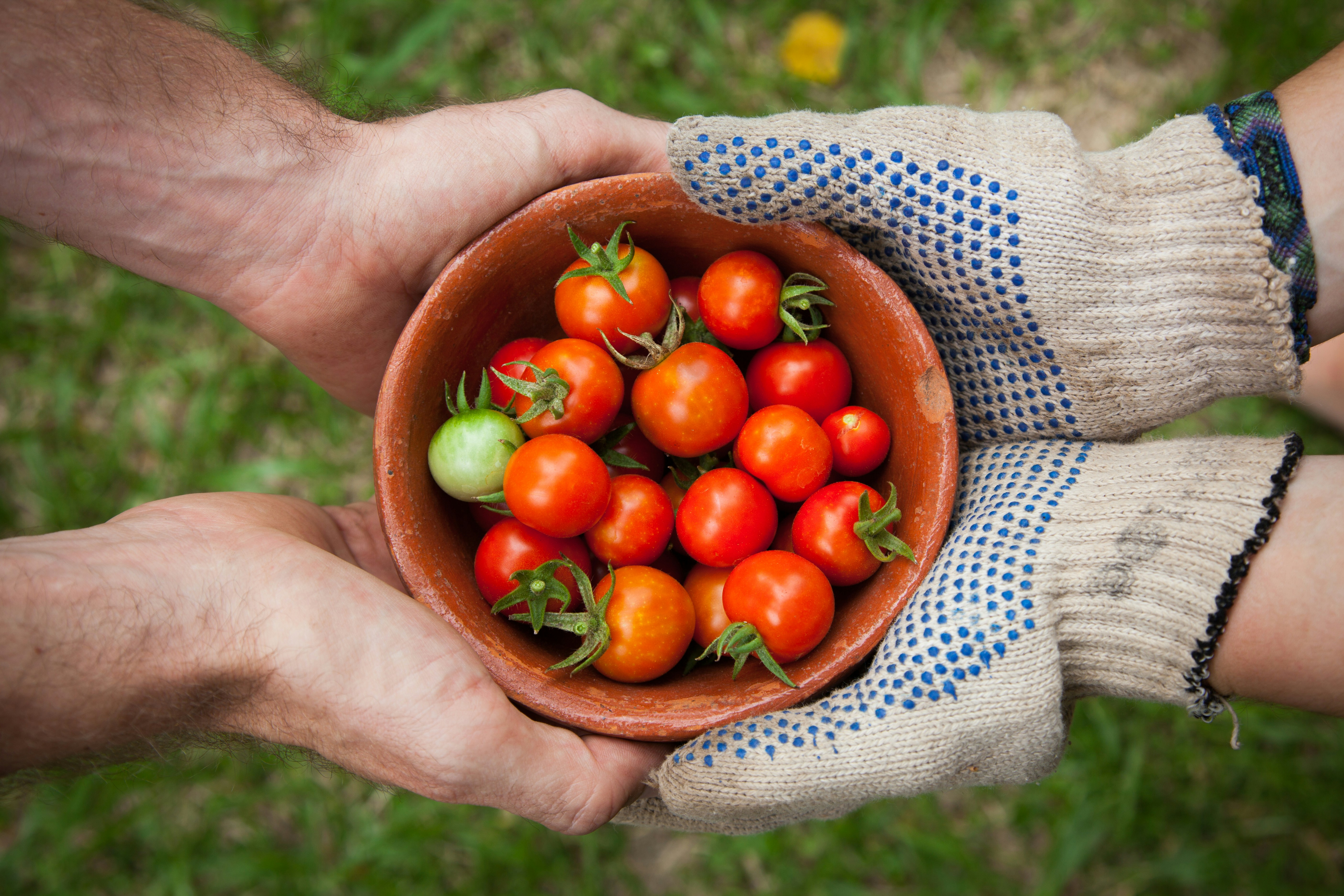
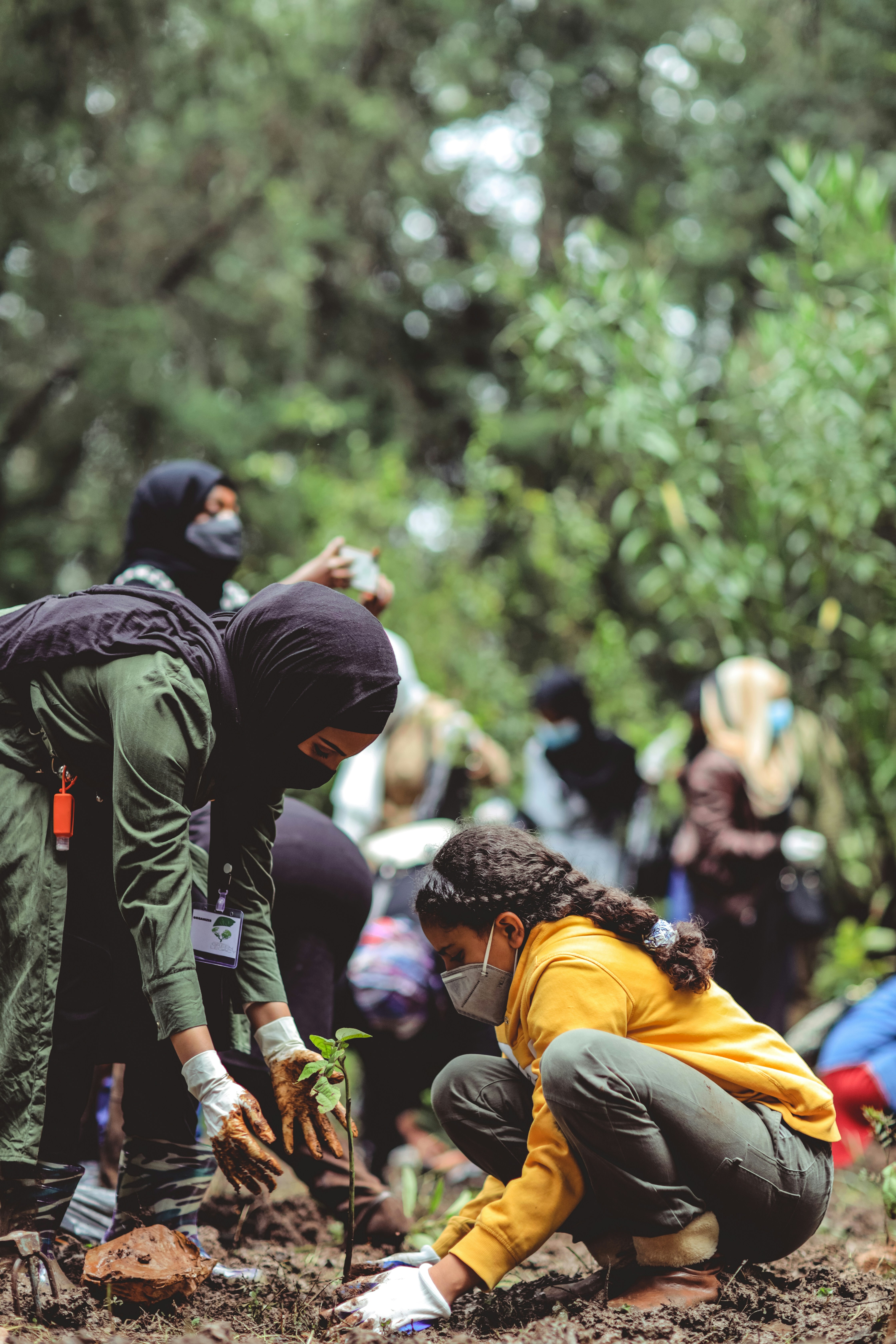
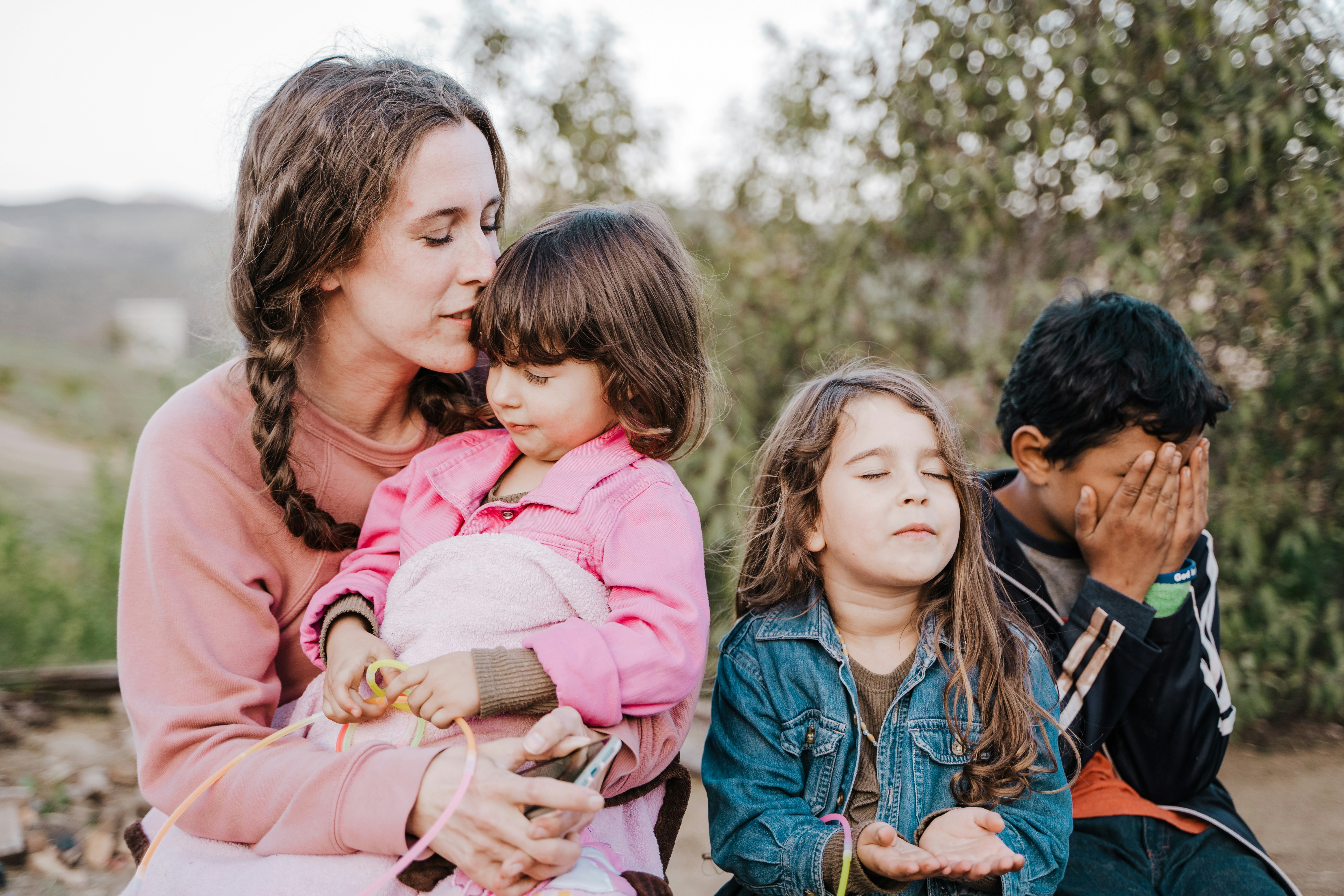
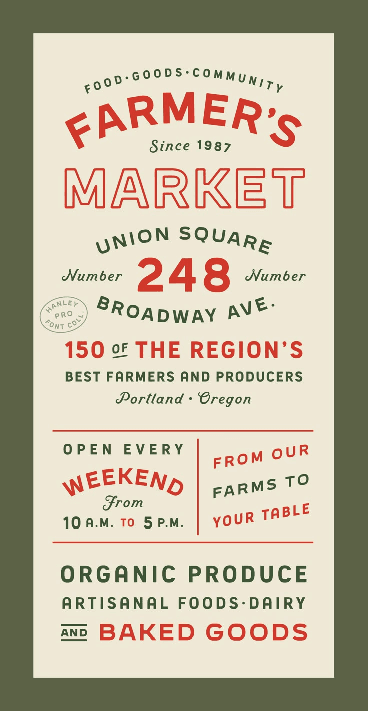
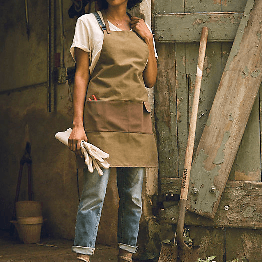
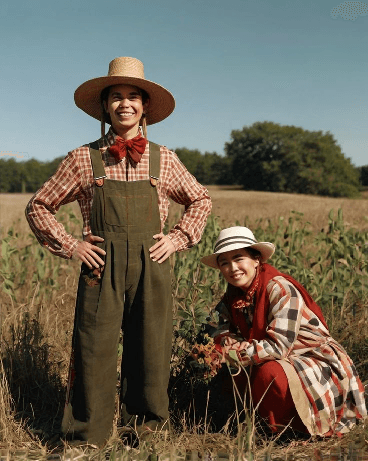
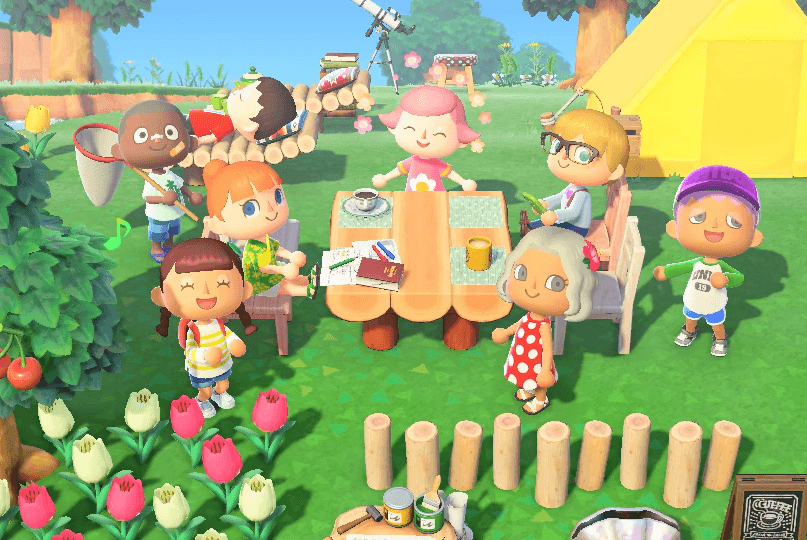
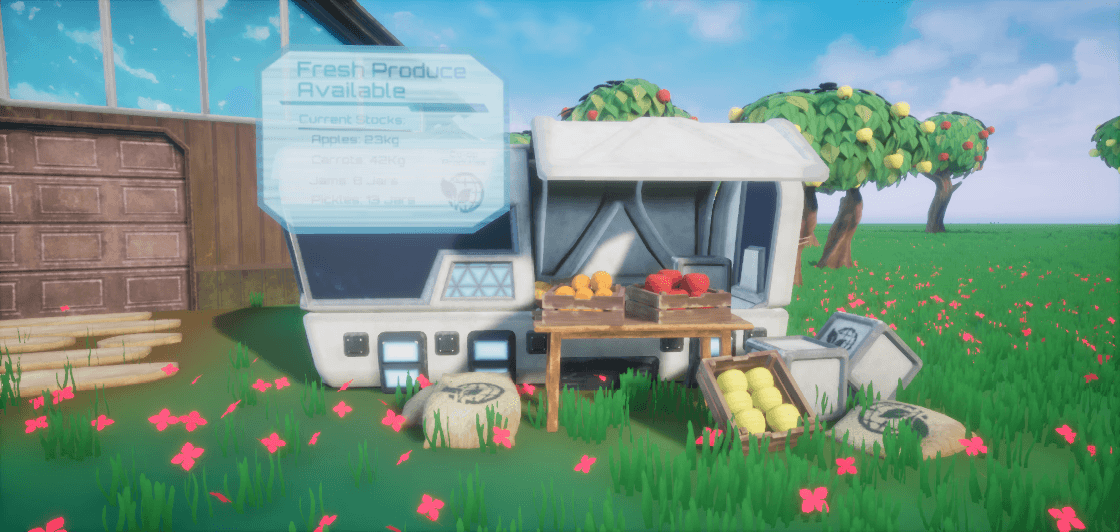
I built a moodboard that captured the essence of what I wanted users to feel: hopeful, grounded, and inspired. My visual direction pulled from vibrant community gardens, cozy farming aesthetics, and minimalist farming games.
The overall vibe was spring morning energy meets "I can do this" optimism. I wanted every visual element to whisper, "Growing food is for everyone, including you."

✦ . ⁺ . ✦ . ⁺ . ✦
Lens Development
2D Asset Creation
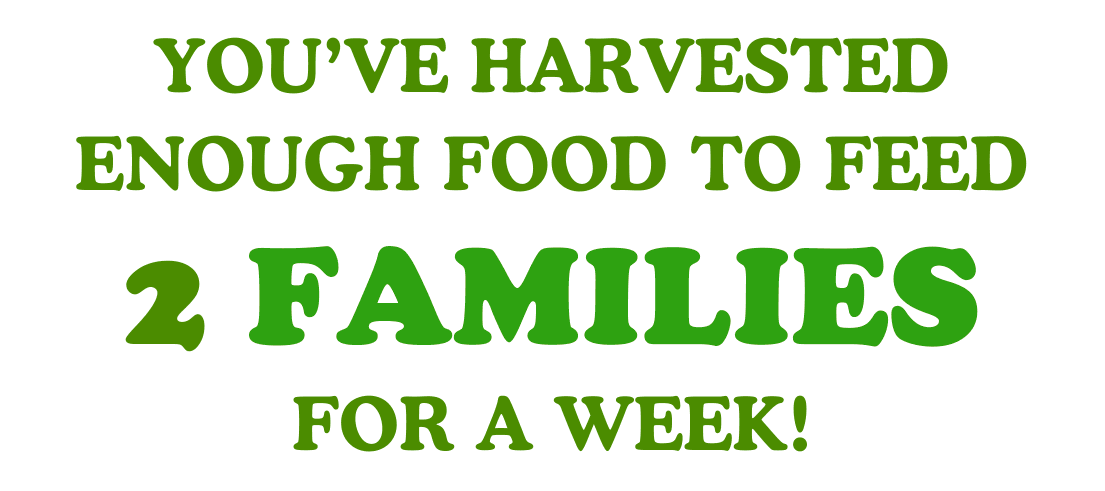
I designed clean, intuitive UI elements that guide users without cluttering their screen. Each icon and button needed to feel tactile and rewarding, like you're actually interacting with soil and seeds. Our goal was to create simple shapes, warm colors, and micro-animations that celebrate every small action.


3D Modeling
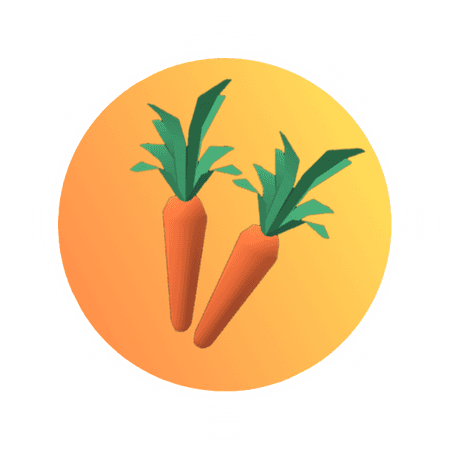
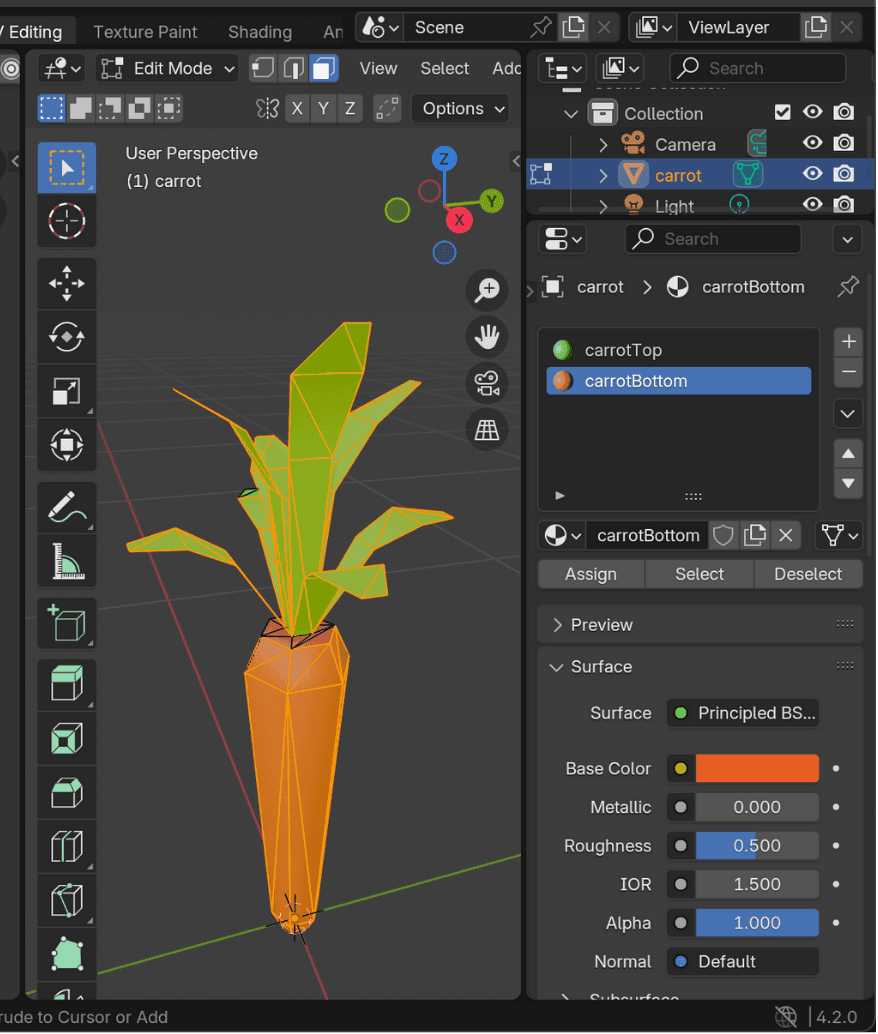
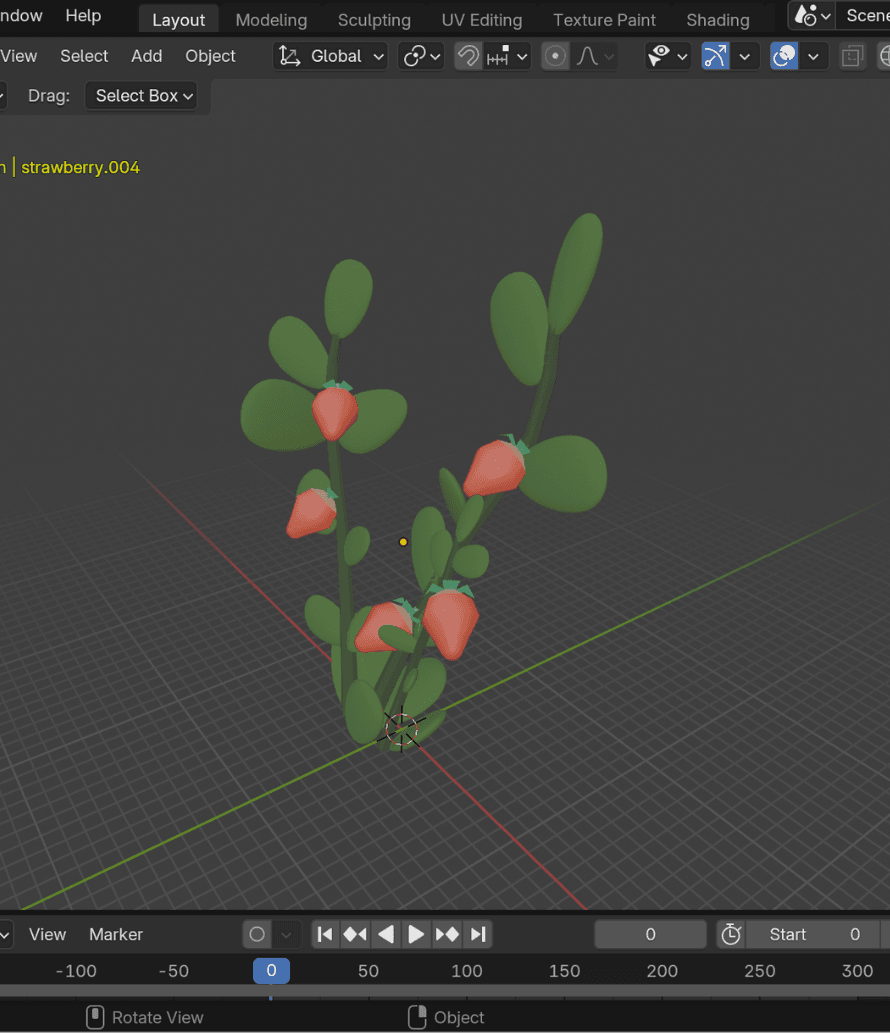
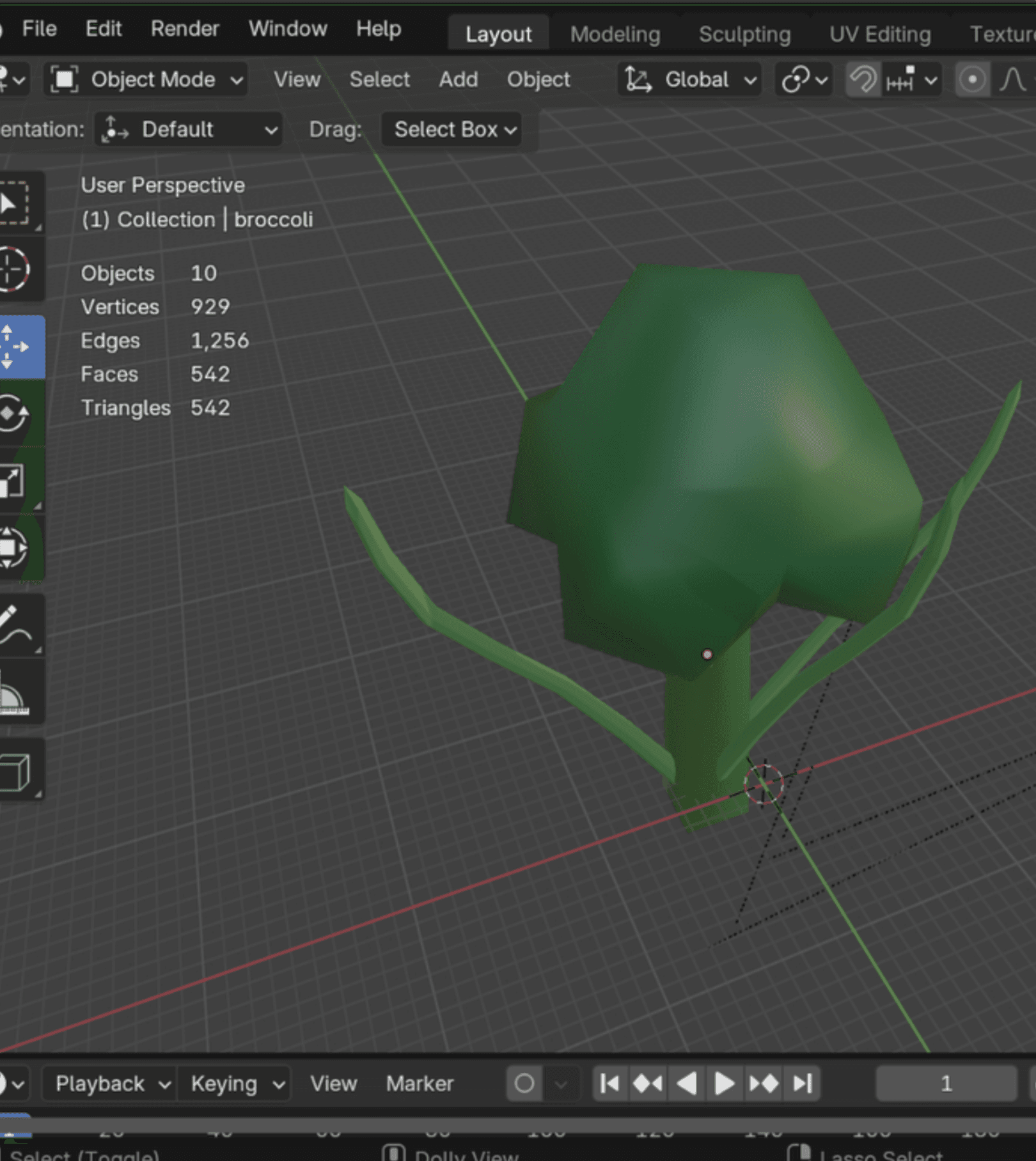
This is where things got fun. We modeled virtual produce that balances realism with whimsy. Strawberries that look juicy enough to pick, but stylized enough to fit the AR aesthetic. Low-poly models to keep file size manageable. Every crop has a growth animation that's satisfying to watch, reinforcing the "your actions matter" message.
Garment Transfer
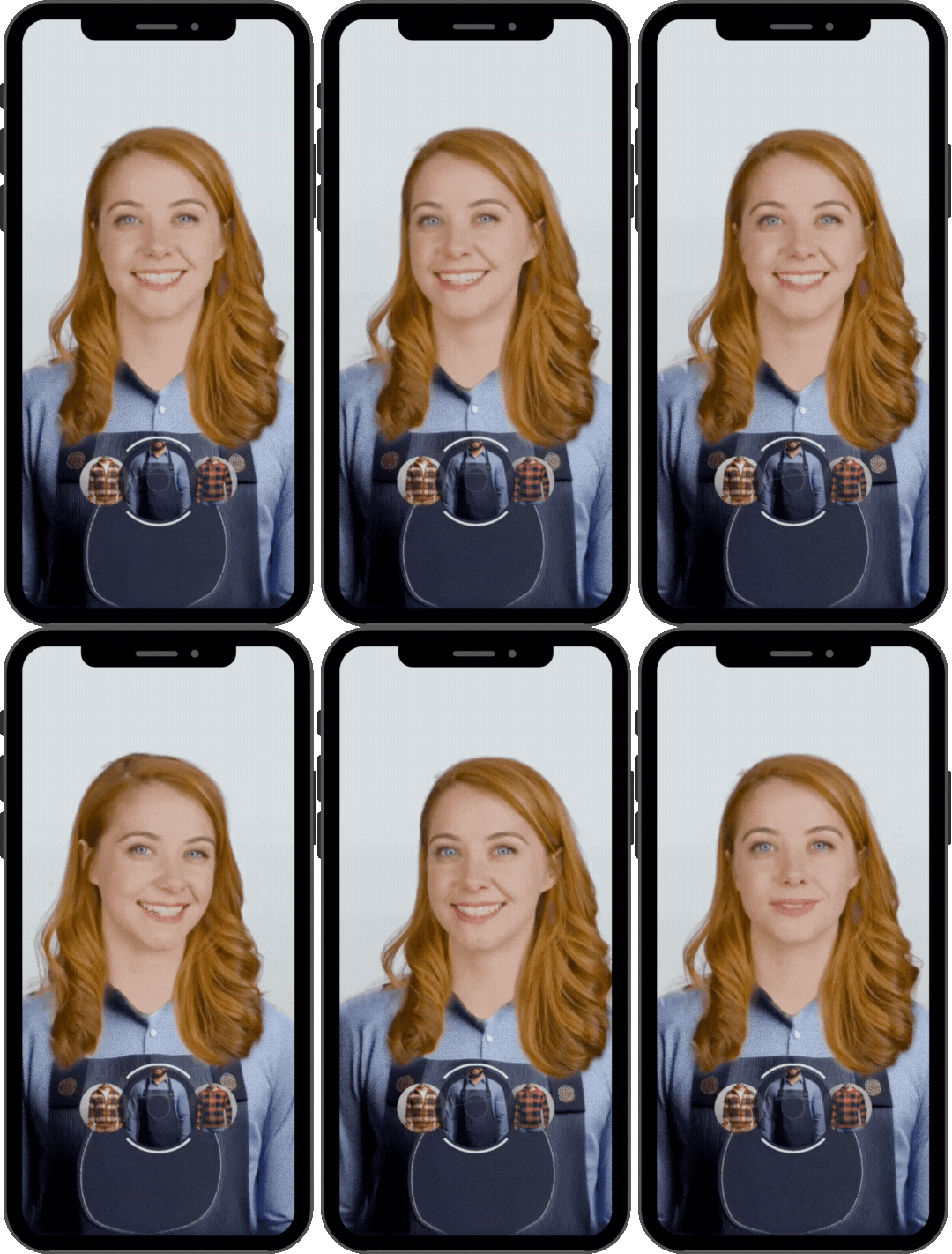
One of my favorite features was the garment transfer component. I wanted users to not just grow a garden, but to become a gardener—to fully step into that role, even if just virtually.
The idea was simple but powerful: when you look like a gardener, you start thinking like one. This feature helped bridge the gap between "I'm just playing with an AR filter" and "I could actually do this in real life." It's about identity and possibility.


The technical challenge: Making sure the clothing fit naturally across different body types and moved realistically with user motion. I spent considerable time refining the textures and fit so everything felt authentic, not costume-y, but genuinely wearable.
The Biggest Challenge: File Size Management
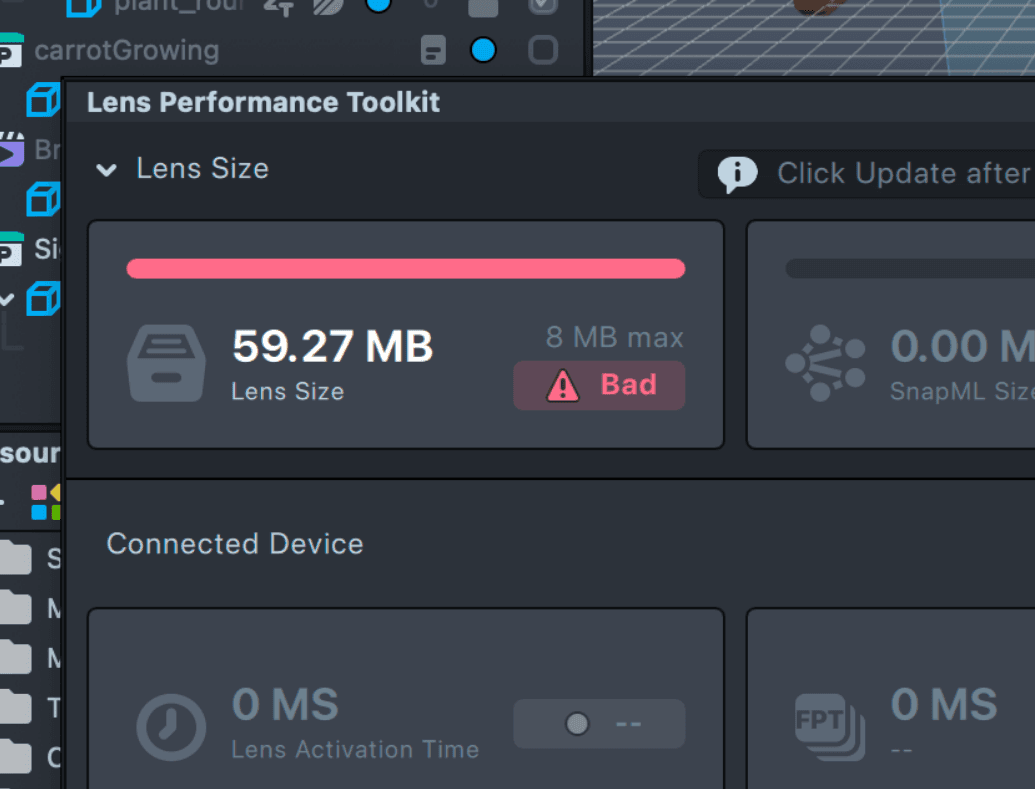
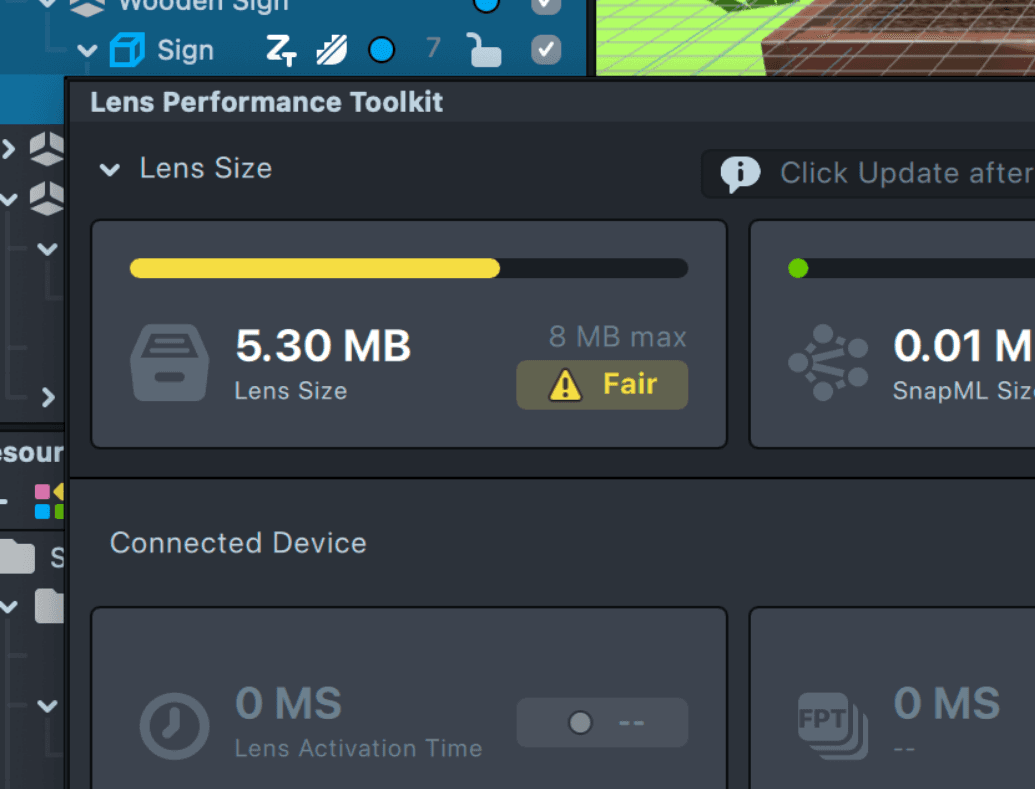
Here's something I didn't consider enough at first: AR lenses have strict file size limits of 8MB, and every beautiful detail you add inches you closer to that ceiling.
My initial build was way over the limit (59.27MB! Oops). I had to make tough calls:
Compressing textures without losing vibrancy
Combining similar assets to reduce redundancy
Simplifying animations while keeping them engaging
Running countless tests to find the sweet spot between quality and performance
It was like solving a puzzle where the constraints force you to be more creative. In the end, the lens ran smoothly across devices without sacrificing the core experience.
The Evolution
Front Camera Experience
Users start with a blank garden space. With a tap, they plant a seed and watch it sprout in real-time. Each growth stage is accompanied by educational prompts about sustainable practices and the impact of home gardening.
Back Camera Experience
I designed the back camera mode to let users place their garden anywhere in the real world. Their backyard, a park, even their kitchen counter. This flexibility makes the experience feel more personal and integrated into their actual environment.


✦ . ⁺ . ✦ . ⁺ . ✦
Final Experience: Seed to Feed
Seed to Feed invites users into a world where every seed sown leads to something meaningful. Through a captivating AR experience, users get to nurture their own virtual garden, watching it grow from a simple seed to a flourishing crop.
This hands-on interaction not only teaches the value of sustainable gardening but also shows how small actions can make a big difference in the fight against food insecurity.
With each harvest, users are reminded of the real-world impact they can have, bringing them closer to a future where healthy, homegrown food is accessible to all.
Front Camera Experience
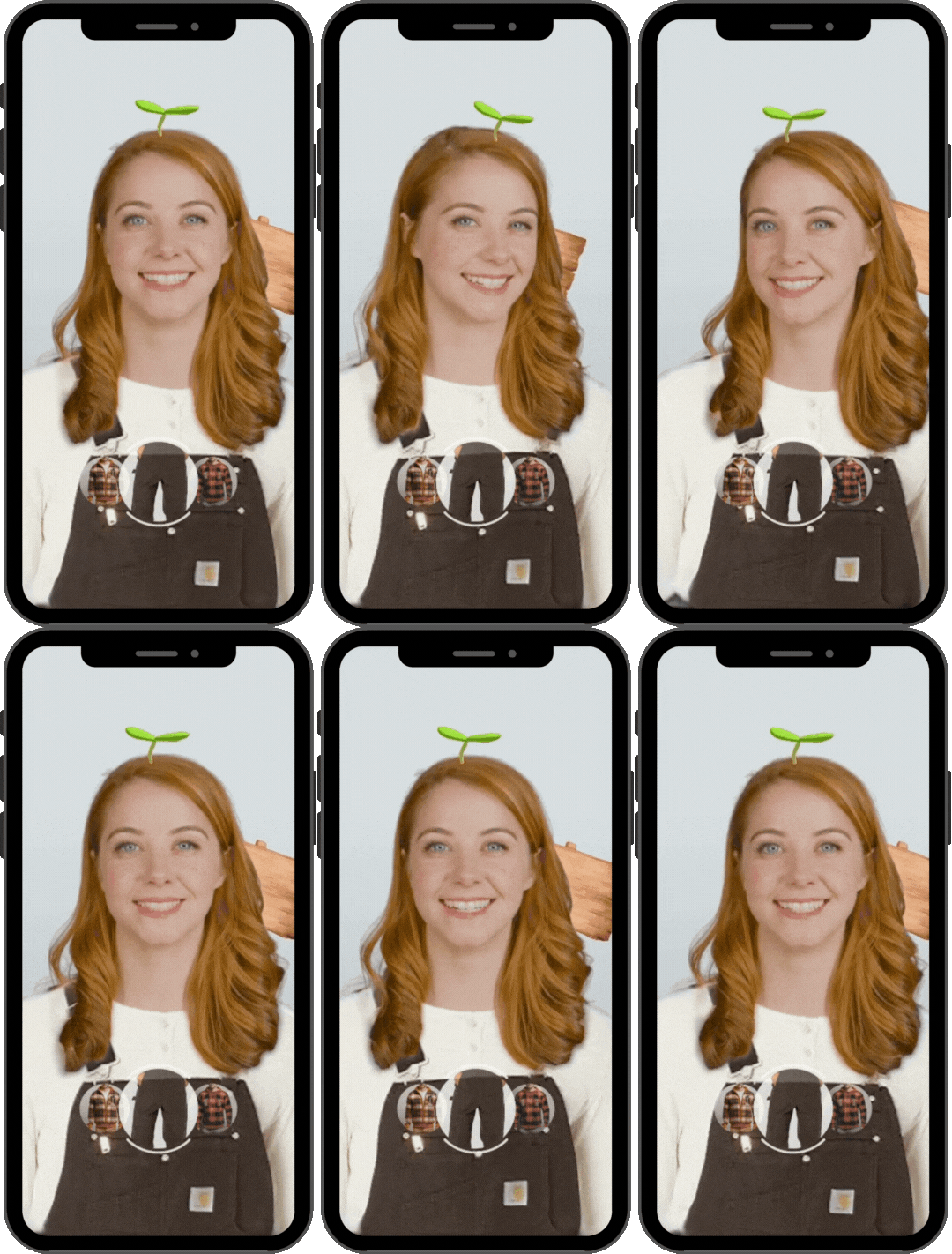
The front camera experience is all about identity and shareability. I wanted users to see themselves as part of the solution, literally.
Key Features
Sun-kissed freckles that give that outdoorsy, earth-connected glow
Sprouts growing from the top of their head, symbolizing growth and new beginnings
"Plant Seed Grow Hope" slogan floating above them, turning each user into a walking advocate for the cause
Gardening outfit options through garment transfer (denim overalls and cozy flannels) that complete the transformation
Back Camera Experience
The back camera is where education meets action. I designed this mode to let users place their virtual garden anywhere in the real world. Their backyard, a park bench, even their kitchen counter. This flexibility makes the experience feel personal and integrated into their actual environment.
The satisfaction of seeing a tiny seed transform into a harvestable tomato plant creates an emotional connection that facts alone can't achieve. It answers the question: "Could I actually do this?" with a resounding "Yes, and here's how."


Key Features
Plant: Users tap to place a seed in their space and choose what to grow
Nurture: Watch your crops progress through growth stages (seedling → sprout → mature plant → ready to harvest)
Learn: Each growth stage includes bite-sized facts about sustainable gardening, food security statistics, and tips for starting a real garden
Harvest: Collect your virtual produce and receive encouraging messages about the real-world impact of growing your own food
Repeat: Build out an entire garden ecosystem, experimenting with different crops
✦ . ⁺ . ✦ . ⁺ . ✦
Reflection
This project taught me that design can be a bridge between "I care about this" and "I'm doing something about it." We often think of AR as entertainment, but it can be so much more. A tool for education, empathy, and real-world change.
The most rewarding moment? Watching someone interact with the lens for the first time and hearing them say, "I've always wanted to start a garden but didn't know where to begin." That's the point. Not to solve food insecurity with one AR lens, but to plant a seed (pun intended) that grows into action.
If this project sparked even one person to start their own garden, research their local food bank, or simply think differently about where their food comes from, then it succeeded.