
Overview
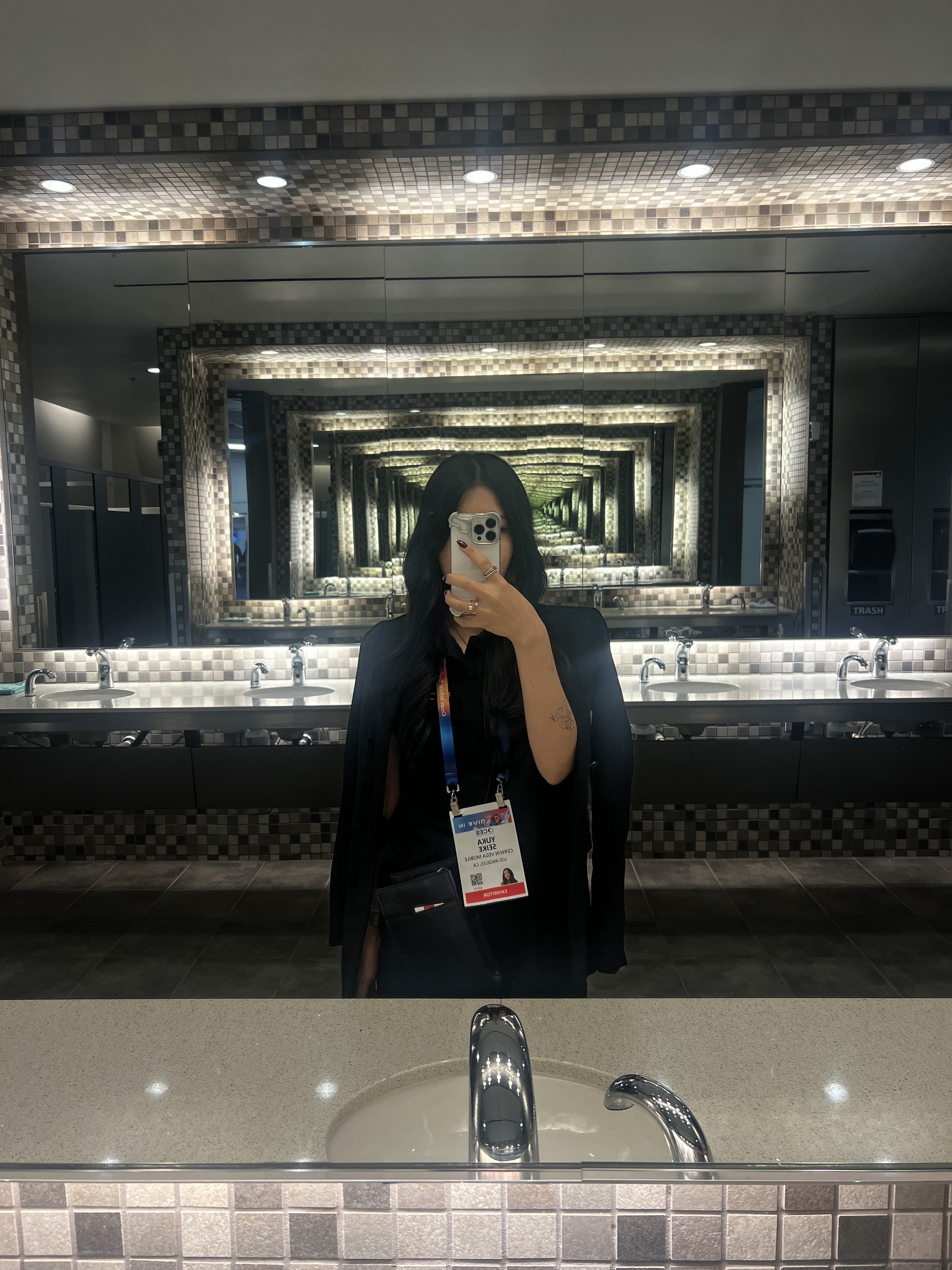
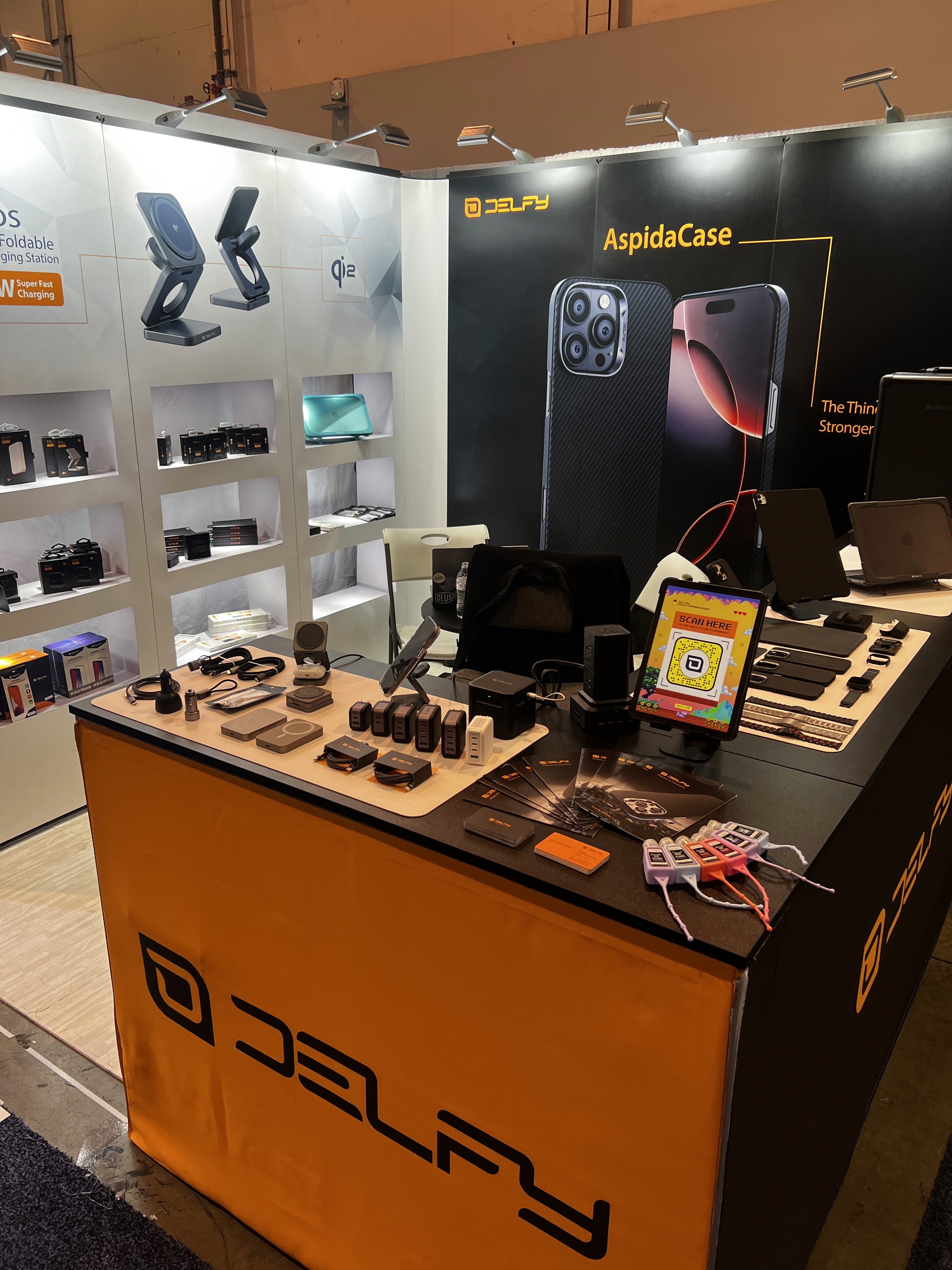
I created an interactive AR experience for Delfy Inc., an LA-based tech accessories company, at CES 2025 in Las Vegas. With over 4,000 exhibitors competing for attention, Delfy needed to stand out from tech giants like Sony and Samsung with just a compact 10x10 booth.
Using Lens Studio, I designed a dual-camera AR lens that turned booth visitors into active participants. The experience showcased Delfy's product durability through an engaging mini-game while staying true to their sleek, tech-forward brand identity. The result were 15,413 plays during the event and countless memorable interactions that proved AR can transform how people connect with a brand.
Project Type
AR Design
Year
2025
My Role
Visual Designer | AR Designer
Key Stakeholder
Delfy Inc.
TEAM
Christian Enriquez (AR Developer)
Problem
CES is overwhelming. Thousands of booths, endless flashy displays, and everyone fighting for attention. Delfy had a 10x10 space and needed to make every square foot count. The question wasn't just "How do we get people to stop?" It was "How do we make them remember us after they leave?"
Design Challenge
How might we create a memorable, engaging experience that communicates Delfy's innovation and product quality without relying on expensive booth infrastructure or massive displays?

Target Audience

Curious booth visitors who stopped by to check out Delfy's products

B2B prospects looking for innovative brands to partner with

Tech enthusiasts who appreciate creative uses of AR

Social media users who'd share the experience beyond the event
✦ . ⁺ . ✦ . ⁺ . ✦
Brainstorming
Research & Strategy
I started by understanding the CES environment. It's loud, crowded, and exhausting. People's attention spans are measured in seconds. Whatever I designed needed to be instantly understandable, require minimal explanation, deliver value quickly, and be shareable.
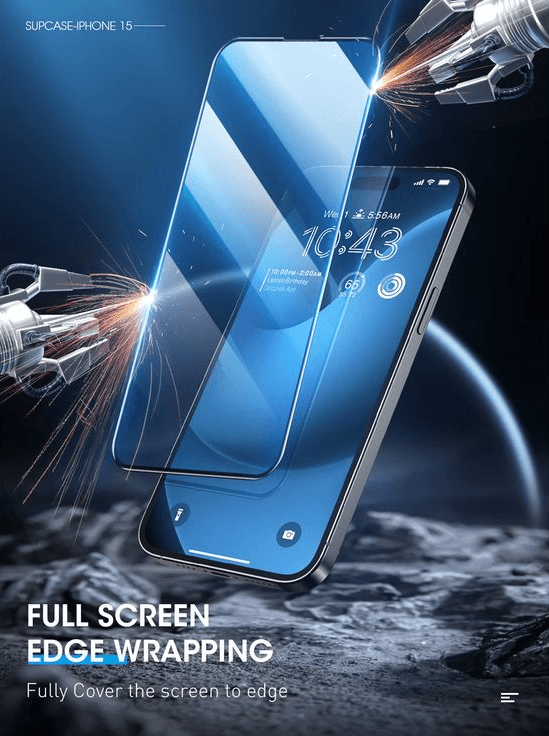
I also researched Delfy's brand values and product strengths. Their Kevlar screen protectors aren't just protective, they're engineered to save you $700 in repair costs. That's the story I needed to tell.
Visual Direction
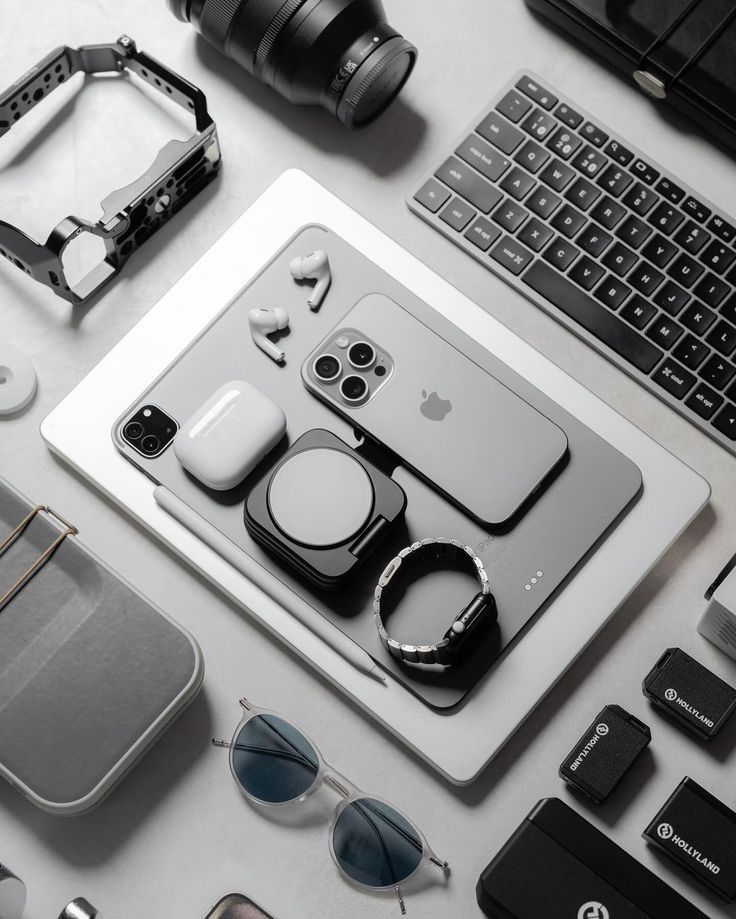
Delfy's branding uses navy blue and bright orange, a bold combination that feels both premium and energetic. I leaned into that contrast, aiming for a sleek, minimal aesthetic that felt modern and approachable.


✦ . ⁺ . ✦ . ⁺ . ✦
AR Development
Front Camera: Brand Identity
I designed a simple but striking front-camera experience: the Delfy logo orbits around the user's head like a crown, with subtle branding integrated into the frame. It's quick, shareable, and positions Delfy as something you wear with pride.
Why this approach? At busy events, people want fast, Instagram-worthy moments. This delivers that while reinforcing brand recognition.
Back Camera: The Mini-Game
This is where things got fun. I created an interactive cannon game with two phone screens:
Scenario 1: Shoot the cannon at a phone without Delfy's screen protector. The screen shatters dramatically, and "- $700" appears (the average cost of screen repair).
Scenario 2: Shoot the same cannon at a phone with Delfy's screen protector. The phone stays intact, and the Delfy logo appears as a protective shield.
Why a game? People remember experiences, not sales pitches. By letting them actively test Delfy's product claim (even virtually), they internalize the value in a way that a brochure never could. Plus, games create lines. Lines create buzz.
What We Didn't Choose
I considered other concepts:
Product hover animations - Too passive, wouldn't create engagement
Virtual comment board - Interesting but doesn't communicate product benefits
Try-on experience for cases - Good, but doesn't tell the durability story
The mini-game won because it was memorable, communicated key product benefits, and gave people something to talk about.
✦ . ⁺ . ✦ . ⁺ . ✦
The Results: 15K+ total plays during CES 2025
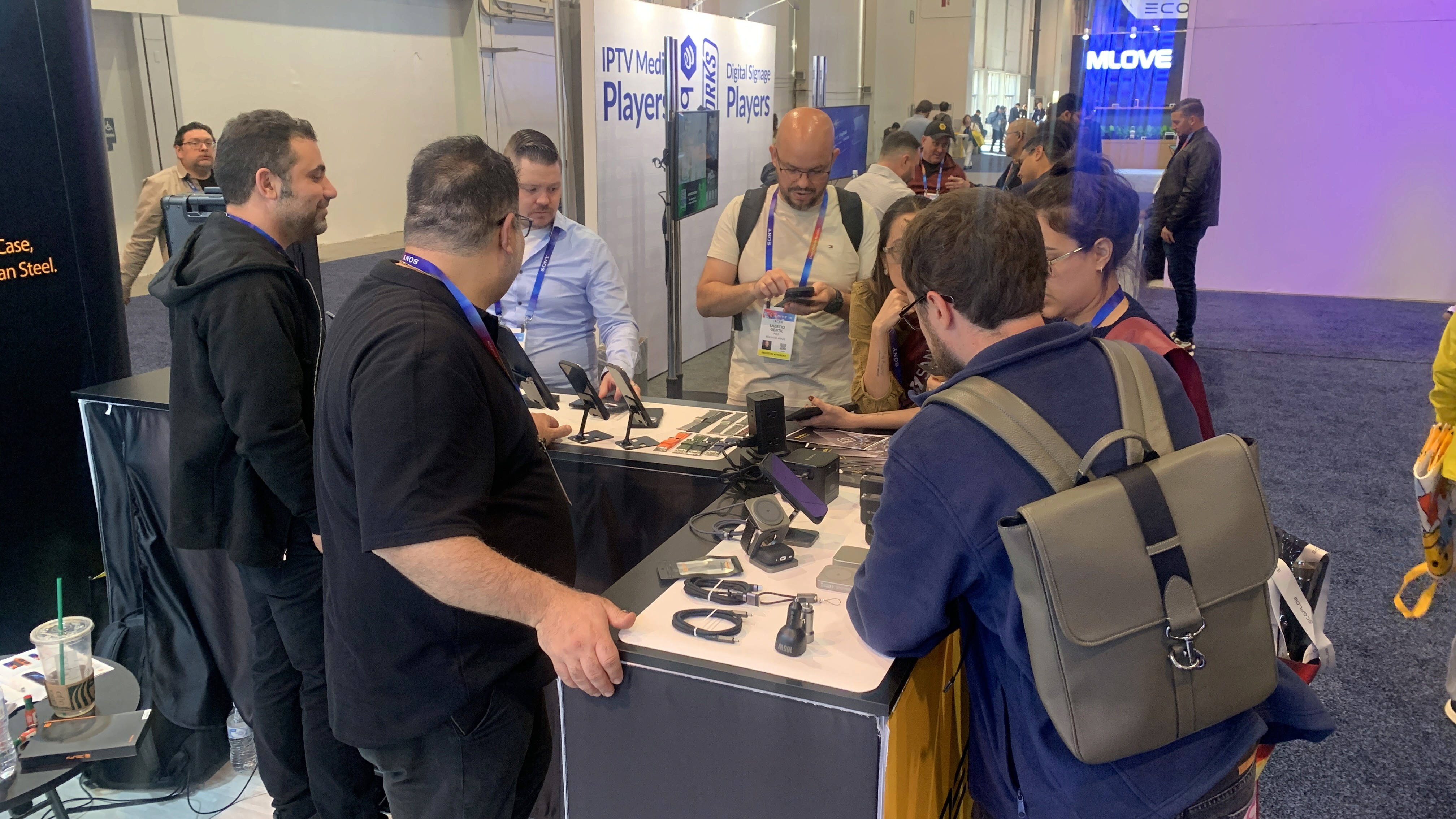
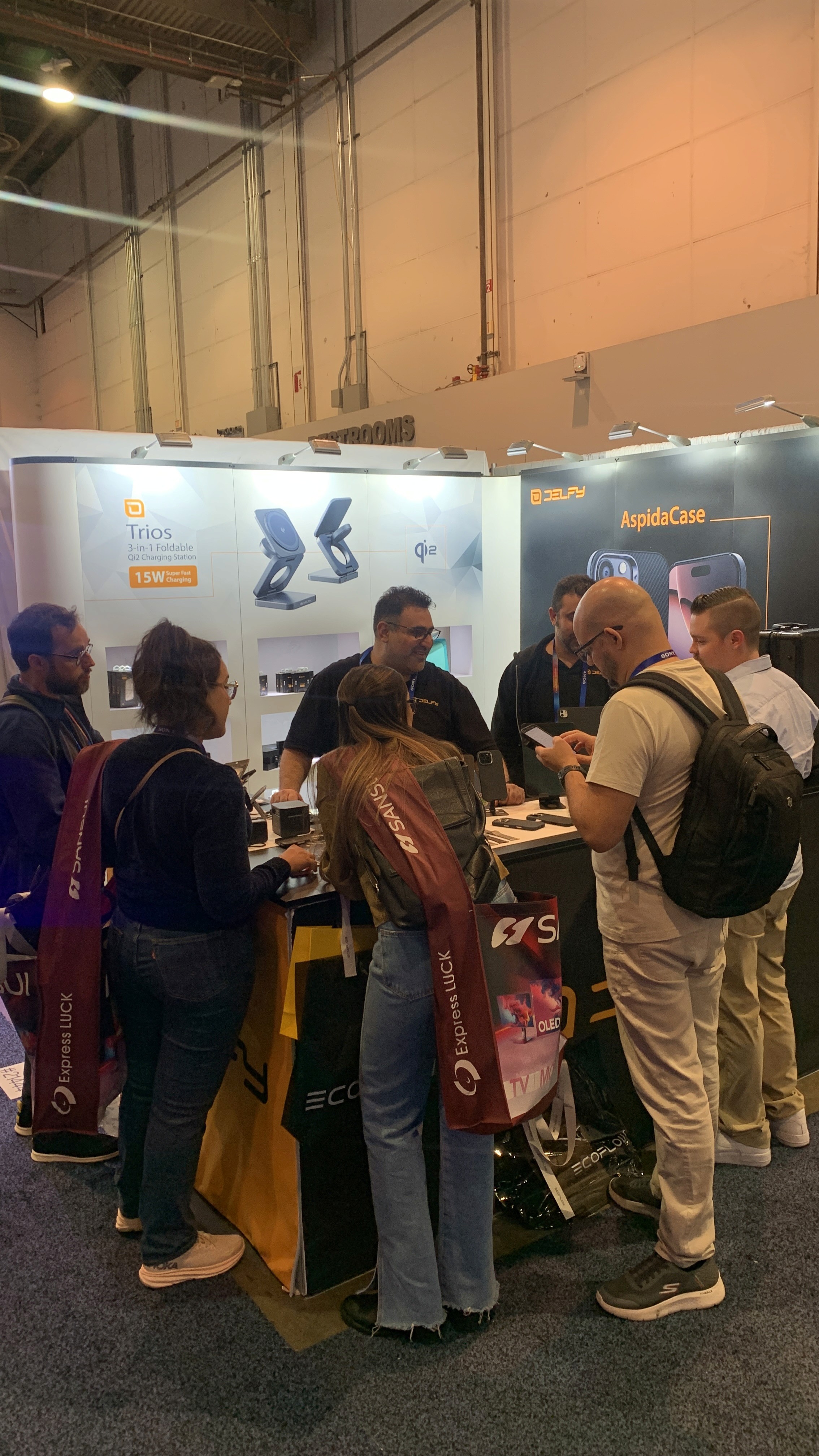
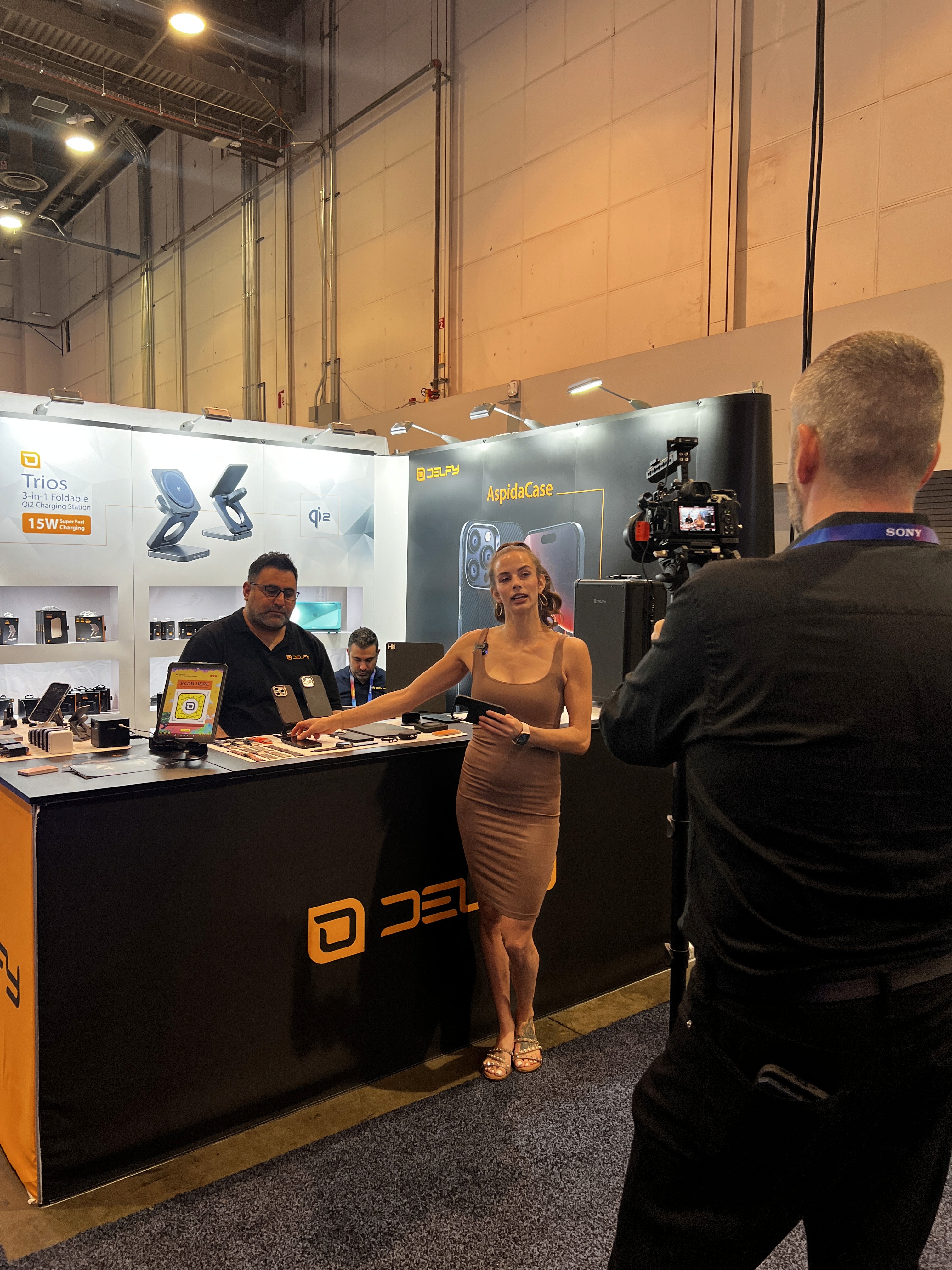
Watching people's reactions was everything. They'd shoot the cannon, see the phone shatter, react with genuine surprise, then immediately want to try the protected version. That moment of "oh, that actually makes sense" was exactly what I was designing for.
The front camera was popular for quick social shares, but the mini-game stole the show. People brought their friends back. They took videos. They asked questions about the products. The AR experience became a conversation starter that kept people at the booth longer. That's when you know it's working.
✦ . ⁺ . ✦ . ⁺ . ✦
Challenges & Solutions
Challenge 1: Connectivity Issues
Internet connection at CES was terrible, and complimentary Wi-Fi was limited to specific, high-traffic, or sponsored areas. The lens needed to load quickly despite network congestion.
Solution: Aggressively optimized file size and designed the experience to work even with slow connections.
Challenge 2: Snapchat Adoption & WebAR
Not everyone at CES had Snapchat installed.
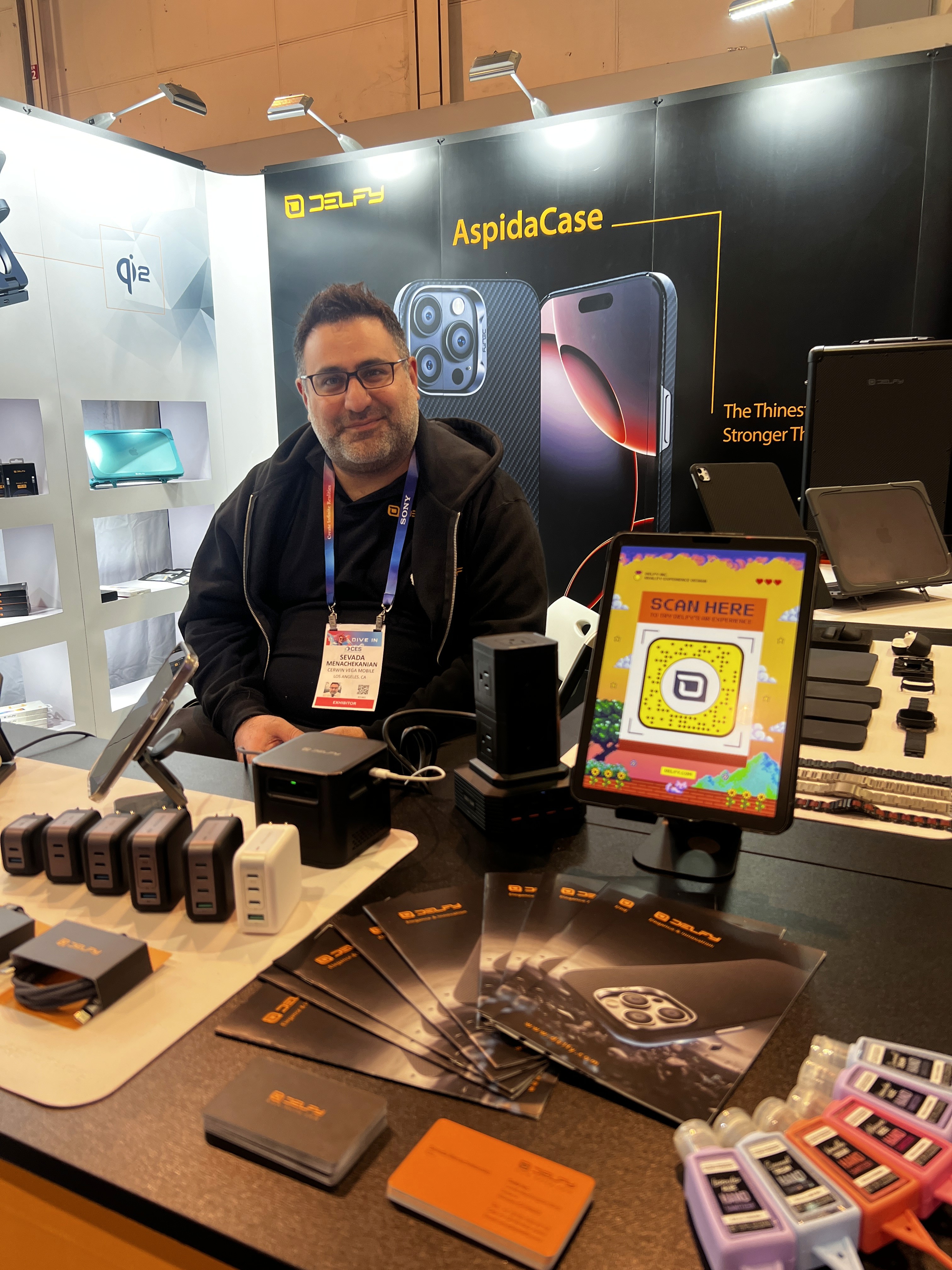
Solution: I created quick setup instructions and offered to help people download it. For those not wanting a new app, I also created a WebAR version of the lens so they can try out on their mobile browser.
Challenge 3: Booth Traffic Flow
People clustering around the AR experience could block product displays.
Solution: Worked with the Delfy team to position the AR flyers strategically so the experience complemented, rather than competed with, their physical products.
✦ . ⁺ . ✦ . ⁺ . ✦
Reflection
This project taught me that AR's power isn't just in the technology. It's in how it makes people feel. At CES, surrounded by million-dollar booths with massive LED walls, Delfy's 10x10 space held its own because we created something genuinely engaging.
I learned that the best AR experiences don't try to do everything. They do one thing exceptionally well. In this case: communicate product value through play.
Seeing attendees laugh, compete with each other, and genuinely learn about Delfy's products reinforced why I love AR design. It's never about showing off tech for tech's sake. It's about creating moments that matter.